Pakistan Changes Economic Plan
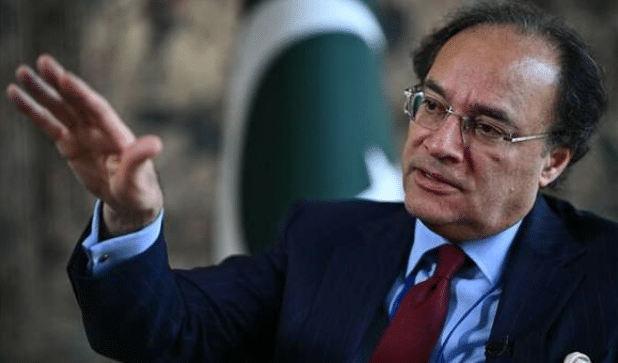
Pakistan is planning a shift from foreign aid to trade and investment across its bilateral partnerships, Finance Minister Muhammad Aurangzeb said in an interview with Channel News Asia, as the country seeks to strengthen economic ties with China, the United States, Gulf countries and other regional markets.
Aurangzeb said Pakistan remained grateful for the support of its longstanding partners, particularly Gulf Cooperation Council (GCC) countries, but was now focused on building stronger trade and investment relationships.
Remittances from the Gulf and other overseas Pakistanis reached $41.6 billion last year and are expected to rise to $44 billion this year, he said.
Discussing ties with China and the United States, Aurangzeb said Pakistan viewed its relationships with both countries as an “and-and” approach rather than choosing one over the other.
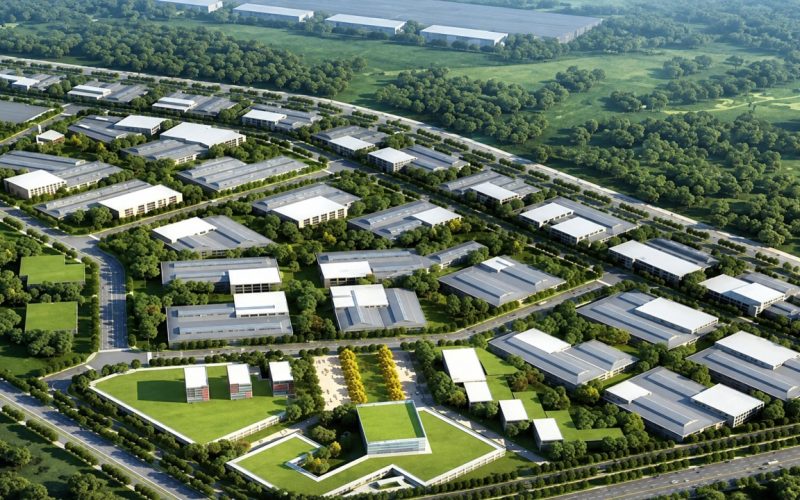
He said the first phase of the China-Pakistan Economic Corridor (CPEC) focused on foundational infrastructure, including roads, ports and independent power projects. The second phase aims to generate greater economic returns from that infrastructure through business-to-business collaboration, joint ventures and export-oriented production.
Aurangzeb also said Pakistan sought to strengthen its economic relationship with the United States and advance bilateral economic cooperation.
d
On regional trade, the finance minister highlighted opportunities to expand economic engagement with GCC countries, Central Asian republics and the Association of Southeast Asian Nations (ASEAN).
He said growing fragmentation in global trade was creating opportunities for Pakistan to explore new regional markets and diversify its trade relationships. While the United States remains Pakistan’s largest trading partner, followed by the European Union, he said regional collaboration was becoming increasingly important amid geopolitical tensions and disruptions to global commerce.
Aurangzeb said Pakistan was pursuing stronger regional partnerships to improve trade resilience, reduce exposure to external shocks and identify new opportunities for trade and investment.
See more ProPakistani stories in Google Search and Top Stories.