Jammu 1947: The Massacre Pakistan Remembers
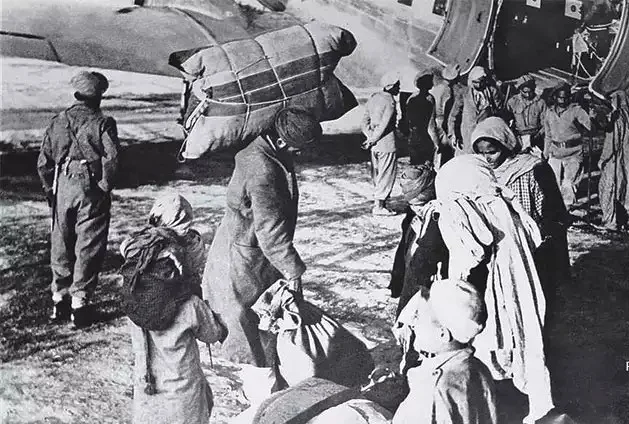
Sialkot was a short drive away. That was the promise on 6 November 1947. Muslim families in Jammu climbed onto trucks and believed they were heading for Pakistan. Pakistan’s state news agency reports that the convoys came under attack at places such as Samba and Reasi. Many passengers never reached the border.
On Friday, the 79th anniversary arrived the way it does every year. Communities held prayer meetings in Mirpur. Ministers issued statements in Islamabad. Groups in Azad Kashmir and abroad also marked the day. They honour Muslims from Jammu city and nearby areas who died while trying to reach Sialkot. Then the news cycle moved on.
The numbers are slippery, and it helps to say so. President Zardari called the killings one of the darkest tragedies of the subcontinent and put the dead above 200,000. Other Pakistani accounts say about 250,000 people were targeted as they fled toward Sialkot. Historians outside the official narrative usually give lower estimates. Nobody has settled the dispute, because nobody counted the dead in the chaos of that autumn.
The scale of the upheaval is less disputed. Pakistani press reports say more than half a million people fled toward the Sialkot area, and that a Muslim-majority region became a minority within weeks. Whatever figure you accept, Jammu changed for good that winter.
Ask most of us about partition and the usual story arrives. Burning trains. Lahore and Amritsar. The Radcliffe Line, drawn in a hurry. Punjab and Bengal carry the memory. Jammu sits in the margin, a name we half recognise and cannot place.
That gap has a cost. A massacre the shared story leaves out becomes a family story. Grandchildren tell it at weddings in Mirpur and Kotli. Families in Sialkot and across AJK still trace their roots to those roads. A nation’s memory should not depend on which relatives keep talking.
Classrooms could help here. Official voices on this day are loud and political. Ministers speak of the Dogra state and of extremist militias, and they link the day to Kashmir today. Those are positions. Underneath them sits something a teacher could cover without taking sides. Who these people were. Where they lived. Where they were going. Why so many never arrived. Names, villages, routes and survivor accounts. That is the plain work of history.
It does not need a bigger ceremony. Schools could add a unit on Jammu. AJK universities could record oral histories before the last survivors die. Libraries could give the subject a shelf. A documentary could get the dates right. Anyone who was a child in 1947 is now very old, and each year fewer of them can answer questions.
The 6th of November has a place on the calendar. It still has no real place in what we teach. In our telling, the trucks are still somewhere on the road.