Muhammad Zeeshan Ali Reaches Tiangong Station on Shenzhou-24 Mission
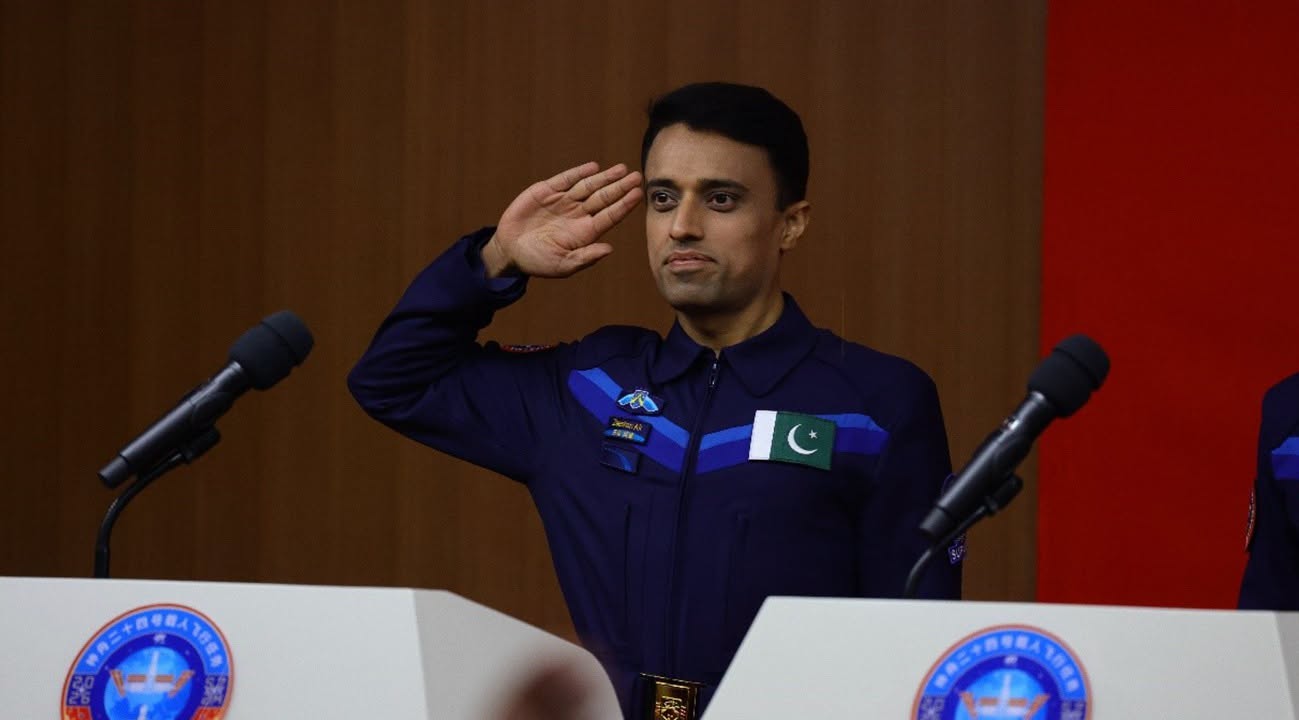
Muhammad Zeeshan Ali has docked with China’s Tiangong space station aboard Shenzhou-24, and his hosts arranged halal food for the mission. Nobody plans a menu around a guest they expect to see only once.
Ali is a payload specialist, which is astronaut language for the person whose job is the science rather than the steering. He flies alongside Chinese astronauts Tang Hongbo and Wu Yi, and the crew’s work covers space life sciences, aerospace medicine and combustion. Since it began operating in 2021, the station has hosted only Chinese astronauts, so Ali is also the first foreigner to step aboard.
The long way up
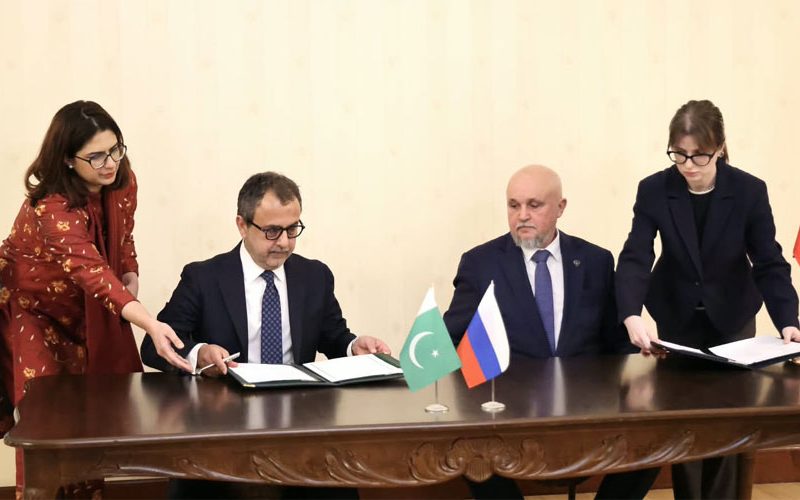
The road here was slower than the headlines suggest. It began with a cooperation agreement signed in Islamabad, then three rounds of screening that narrowed the field to two candidates: Ali and fellow pilot Khurram Daud. They spent months at the China Astronaut Research and Training Centre in Beijing, memorising Mandarin, spinning in centrifuge drills and learning to eat, sleep and repair equipment while weightless.
Both men were pilots for a practical reason. A SUPARCO official explained that few scientists are used to facing high g-forces, and a rocket ride asks for exactly that. Daud trained beside Ali, and the plan was always that one would fly and the other would stand by.
The honest arithmetic
It would be easy to oversell this, so here are the limits. Pakistan has no launch vehicle or crewed spacecraft of its own, and the stay itself is about a week, a sliver of the six-month rotations Chinese crews serve. The spacecraft is Chinese, the instructors were Chinese and the working language aloft is Mandarin. Ali will come home on Shenzhou-23, not on the craft that carried him up.
SUPARCO’s own officials have been plain about the horizon. Asked whether Pakistan had secured any promise of a trip to the moon, one said there was no official commitment or discussion.
So no, this is not a space programme in the full sense. Yet it is more than a ceremonial ride.
What a week can plant
Consider where the experiments came from. SUPARCO collected more than 300 proposals from universities in Karachi, Lahore and Islamabad, and Chinese institutes chose four for this flight, in biotechnology. Each experiment is built and pre-tested in SUPARCO’s own labs before Chinese engineers sign off, which means Pakistani work is being checked against an international standard, on an international platform, perhaps for the first time at this level.
That is where the hope lives. A seat on a rocket is a headline for a day, but a pipeline from a university bench to orbit can last a generation. A Pakistani-built rover is also due to fly on China’s Chang’e 8 lunar mission around 2028, and Chinese state media has said Pakistani astronauts will fly short missions with Chinese crews over the next few years. The pieces are starting to look like a pattern.
Every spacefaring nation began somewhere unimpressive. The early flights were short, borrowed and tightly scripted. What mattered was whether anyone back home picked up the thread afterwards: the student who saw the docking and chose physics, the lab that kept its flight-tested protocols, the agency that asked for another seat.
A week in orbit is brief by any measure. Ali’s return to Earth will close the mission, but the proposals still sitting on desks in Lahore and Karachi are a different story. Those, at least, have no landing date.