Govt May Allow Private LNG Imports
Pakistan is considering allowing power plants and other private companies to directly import liquefied natural gas as the government seeks to secure energy supplies without adding further pressure on state finances, Bloomberg reported.
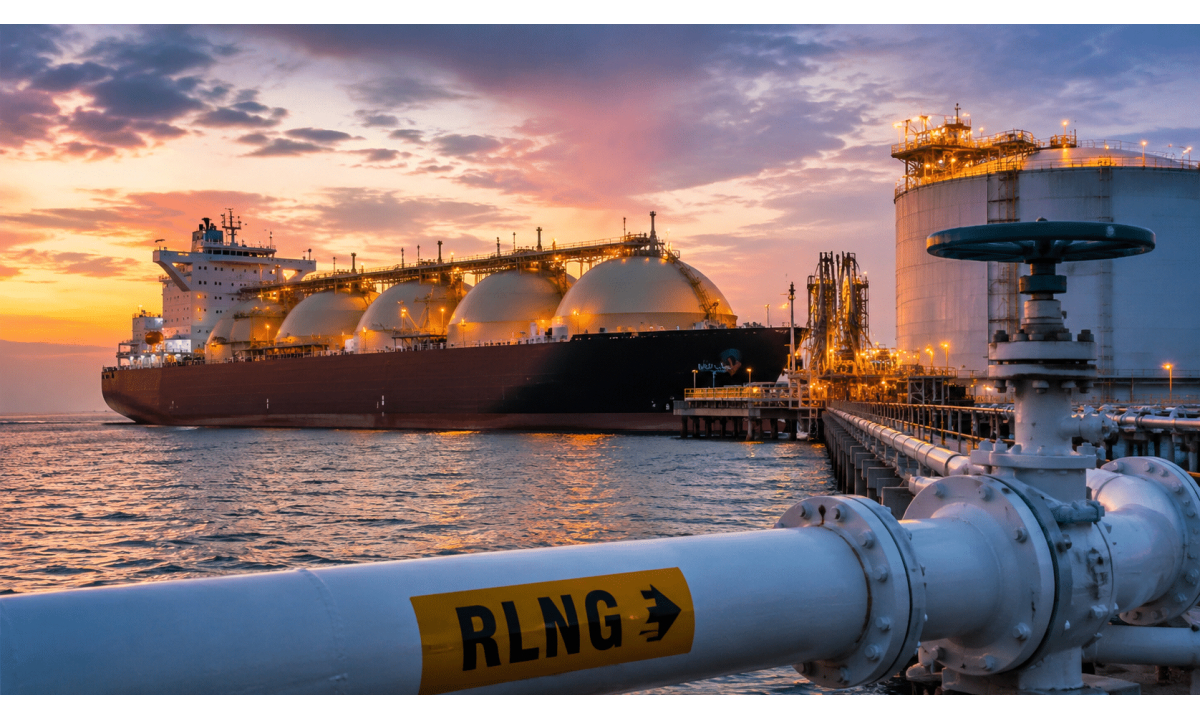
The Petroleum Division of the Ministry of Energy has submitted a proposal to expand the auction of unused capacity at Pakistan’s two LNG import terminals and allow private companies to procure LNG directly.
The proposal comes as Pakistan’s two LNG terminals have remained mostly idle since March after the conflict in the Middle East disrupted supplies from Qatar, the country’s main LNG supplier. Existing regulations make it difficult for buyers other than state-owned Pakistan LNG Limited to purchase cargoes from the spot market.
Pakistan GasPort Limited, which operates one of the country’s LNG terminals, has previously called for non-state-owned companies to be allowed to import LNG.
The country has faced disruptions to LNG supplies as the Gulf War and the near closure of the Strait of Hormuz have affected gas shipments. Pakistan has purchased some LNG cargoes from the spot market to replace disrupted Qatari supplies, but prices have risen to more than twice their prewar levels.
Pakistan relies heavily on long-term LNG supply agreements with Qatar for relatively stable supplies. The disruption in the Strait of Hormuz led to the cancellation of a Qatari LNG shipment scheduled for July 2026, while Qatar subsequently declared force majeure.
The supply disruptions have forced Pakistan to seek emergency LNG supplies and consider alternative fuels and higher-priced spot cargoes. Earlier this month, Petroleum Minister Ali Pervaiz Malik warned that fuel prices could reach Rs. 1,000 per liter if a shortage develops.
The Petroleum Division’s proposal has not yet been confirmed by government sources.