
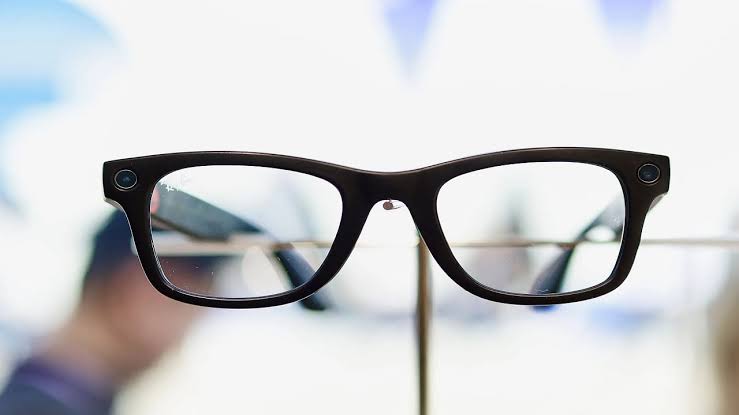
LHC Seeks Government Response on Sale of Camera-Equipped Glasses
The Lahore High Court (LHC) has summoned senior government officials over the sale of camera-equipped glasses in Pakistan. Chief Justice Aaliya Neelum expressed displeasure after several departments failed to submit their replies. She ordered the officials to appear before the court in person on October 15.
The case was filed by Nadira Bibi, who has sought a ban on the sale of glasses fitted with cameras. She has raised concerns about their possible use for recording people without their knowledge.
During today’s hearing, Deputy Director of the National Cyber Crime Investigation Agency (NCCIA) Hassan Naqvi appeared before the court. Other officials also attended the hearing with Deputy Attorney General Rafiqat Ali Dogar.
The deputy attorney general submitted the NCCIA’s report during the proceedings. Meanwhile, Pakistan Telecommunication Authority (PTA) legal adviser Muhammad Afzal Khan sought more time to submit the authority’s response. The court accepted the request and granted additional time to the PTA. However, the chief justice questioned why other respondents had not submitted their replies.
“Notices were also sent to the remaining parties. Why have their replies not been received?” Chief Justice Aaliya Neelum asked.
The court then directed the relevant officials to appear personally at the next hearing. The Interior Secretary, Federal Board of Revenue chairman, Commerce Secretary, and Member of Customs were summoned. The LHC has adjourned further proceedings until October 15. The officials are expected to explain their positions before the court on the sale of camera-equipped glasses.
In her petition, Nadira Bibi said camera glasses are being sold in markets and supermarkets. She argued that these devices could be used for covert recording. The petitioner also raised security and privacy concerns over the glasses. She claimed people could record others without their knowledge or consent.
She further stated that no government institution had approved the sale of these devices. Therefore, she asked the court to seek explanations from the relevant authorities. The petitioner also requested an immediate ban on the sale of camera-equipped glasses. The court will now hear the responses from the concerned departments.
According to social media reports, hidden-camera glasses are available through online marketplaces in Pakistan. They are also sold by technology retailers and local shops. Prices vary widely based on the brand, design, and available features. Some models reportedly cost around Rs3,000, while others are priced above Rs100,000.
Basic camera glasses can hide the camera inside ordinary-looking frames. More advanced smart glasses may include recording indicators and additional features. Storage options also vary between different models. Some glasses use built-in memory, while others support removable memory cards.
The legal status of recording people without consent can depend on the situation. It can also vary under the laws that apply to each case. The petitioner has asked the court to clarify the responsibilities of the relevant authorities. She also wants action taken over the potential misuse of camera-equipped glasses.
Privacy concerns are also covered under Pakistan’s Prevention of Electronic Crimes Act (PECA). Recording individuals without their direct consent may raise legal issues in certain situations. The LHC’s next hearing on October 15 is expected to provide more clarity. The summoned officials will have to explain their positions before the court.